Keep burying power lines.
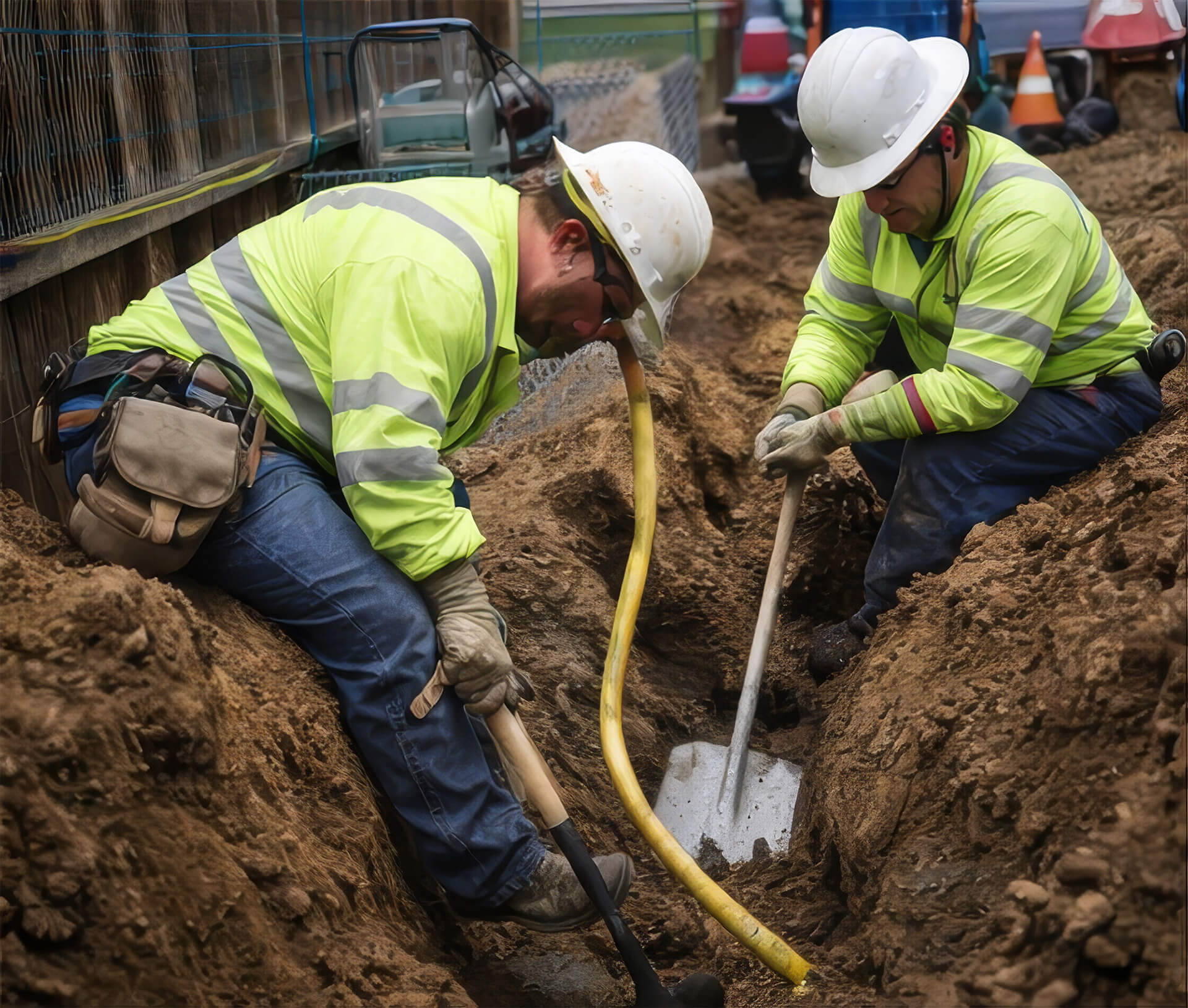
Denver’s program to bury overhead power lines helps prevent outages and keeps Denver safer. A YES vote on 2K dedicates $10 million every single year to undergrounding projects Denver chooses, and Xcel pays for.

A YES vote on Referred Question 2K requires Xcel Energy to bury power lines, prepare Denver for wildfire and severe weather, and pay to move its own lines when Denver builds.
WHY VOTE YES
A YES vote on 2K approves Denver’s new utility franchise agreement, which requires Xcel Energy to keep burying overhead power lines, help Denver prepare for wildfire and severe weather, work with the City during emergencies, and pay to move power lines for City projects — so Xcel Energy, not Denver taxpayers, covers that cost.
This measure does not set utility rates, and it does not decide whether Xcel Energy serves Denver. It decides what Denver will require of Xcel Energy in exchange for access to public property (like streets, alleys, and rights of way) that Xcel uses to deliver electricity and natural gas.
A YES vote on 2K requires Xcel Energy to:
Denver’s program to bury overhead power lines helps prevent outages and keeps Denver safer. A YES vote on 2K dedicates $10 million every single year to undergrounding projects Denver chooses, and Xcel pays for.
A YES vote on 2K requires Xcel Energy to help Denver prepare for wildfire and severe weather with stronger emergency coordination and a more resilient energy system.
A yes vote on 2K forces Xcel to cover the cost of relocating power lines for city projects and to continue burying overhead lines, instead of taxpayers paying for it. When Denver rebuilds a street, Xcel Energy moves its own equipment at its own cost; Denver’s Department of Transportation and Infrastructure estimates this requirement saves our City approximately $150 million per year.
A YES vote on 2K requires Xcel Energy to maintain Denver’s 66,000 streetlights and repair them quickly when they go out.
A YES vote requires Xcel Energy to pay for an independent audit every three years, so Denver can confirm it is getting what it is owed.
FAQs
Whether Denver keeps a contract that requires Xcel Energy to bury power lines, prepare the city for wildfire and severe weather, submit to ongoing independent audits, and pay to move its own lines when Denver builds.
Denver owns the streets and public property Xcel Energy uses to deliver electricity and natural gas, and a franchise agreement sets what Xcel Energy must do in return for access to these public spaces. Denver’s current agreement expires December 31, 2026. Under Denver’s charter, Denver voters — not the City Council alone — have the final say. If approved, the new agreement takes effect January 1, 2027.
No. Question 2K is limited in scope, and only decides whether or not Denver will enact a new contract requiring benefits and accountability from Xcel in exchange for access to public property like streets, alleys, and rights of way.
It’s not a vote on your rates. Under Colorado law, a city-level ballot measure can’t set utility rates. Rates are set through a separate, state-level process.
It’s not a vote on who serves Denver. Question 2K doesn’t decide whether or not Xcel will continue to service Denver; Xcel Energy will still be Denver’s utility either way.
It’s not a vote on Denver’s clean-energy goals. Those are set by state law and separate state proceedings.
A YES vote requires Xcel Energy to:
If Question 2K does not pass, Xcel Energy would still be Denver’s utility, but the benefits and requirements of the new franchise agreement would not take affect.
Without the new franchise agreement, Denver loses the Xcel-funded undergrounding program, and Xcel Energy is no longer required to help Denver prepare for wildfire and severe weather, coordinate during emergencies, maintain and repair Denver’s streetlights, submit to an independent audit, or pay to move its own power lines when Denver builds — which means those costs land on Denver taxpayers by default.
Yes. Community leaders from our coalition are meeting with registered neighborhood organizations, congregations and community groups across Denver — in English and Spanish. Email community@safeenergydenver.com to invite a speaker.
It’s a second agreement between Denver and Xcel Energy that takes effect only if 2K passes.
The franchise agreement covers the physical work in Denver’s streets — burying power lines, preparing for wildfire and severe weather, maintaining streetlights, and paying to move its own lines when the City builds. The partnership agreement covers additional benefits Denver gets from Xcel if the franchise agreement is approved, including:
If 2K fails, this agreement does not take effect either.
Want to learn more? Read the agreements and related materials on the City and County of Denver’s website.